Title:
Daiquiri
Description:
The Daiquiri is one of my all-time favorite cocktails. It is also widely misunderstood. When many people picture a Daiquiri, it’s in the form of brightly colored slush being dispatched from a machine operated by a lever. But this could not be further from the reality.
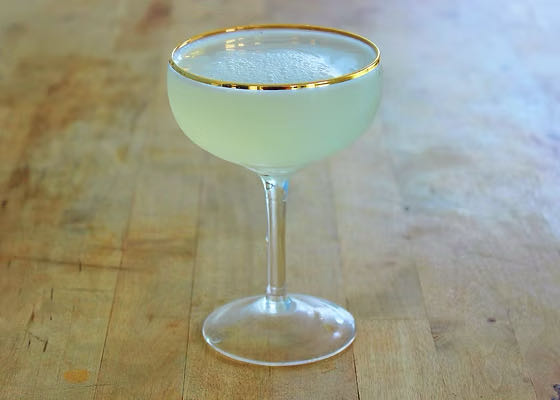
A true Daiquiri is simply white rum, lime juice, and sugar (or simple syrup), shaken and served up in a cocktail glass. No strawberries, no blender, no tiny umbrella. Today, in the midst of the revival, it is universally beloved by the bar industry, enjoying a level of adoration unmatched by any other drink, and that’s no exaggeration.
My first proper Daiquiri was a revelatory experience. If you’ve never had one, drop everything now, get some good white rum - here are some suggestions - and become one of the enlightened.
As the recipe indicates, I like a little more lime than simple syrup in my Daiquiris. But everyone one is different, feel free to tinker with the balance. The lime disc, which is just a round peel, is to punch up the limey-ness a hair more. I really think it caps the drink off. It’s not a dealbreaker by any means, but if you take the extra step, I don’t think you’ll be disappointed.
Recipe
2 oz white rum
¾ oz lime juice
¾ oz simple syrup
lime disc with some flesh on it (optional) - here’s an example
Combine all ingredients in a shaker, except for the lime disc. Fill with ice, shake for 8-10 seconds and fine strain into a chilled coupe glass. Express the oils of the disc and any juice over the top (shouldn’t be more than 4-6 drops), swirl the disc in the glass once to integrate and then discard.
Finding Your Perfect Daiquiri
Despite being one of the simplest drinks in existence, if you’ve flipped through any of the cocktail books released in the last decade you’ll notice that almost no two recipes are the same. Bartenders are very opinionated when it comes to their Daiquiris and they apply a myriad of tweaks to make, what is for them, the ultimate version of the classic - and they will defend their position fiercely if questioned. This is a great article from Punch that examines this phenomenon perfectly.
I’ve listed some of the more commonly employed alterations below. Though having tasted my way through them all in my own obsessive pursuit of perfection, I still always come back to the recipe I’ve listed above. For me, it is the quintessential expression of a Daiquiri. Its pristine simplicity is like a flawless uncut diamond. But that’s not to say these modified versions are inferior. On the contrary, they’re all delicious. And who knows, you may end up preferring one. Regardless, it’s fun to tweak the formula now and again.
Cane Syrup
Many bartenders prefer using cane syrup in place of simple syrup. This generally means a rich 2:1 syrup made with evaporated cane sugar (that’s the more expensive sugar that’s a very slight tan color). It gives the cocktail a richer, almost creamy texture, with a hint of molasses flavor. Because of the added sugar, you’ll want to scale the syrup portion down to half an ounce in the recipe.
More Lime Juice
The great Sasha Petraske, who is sadly no longer with us, famously preferred Daiquiris with 1 ounce of lime instead of 3/4 oz. As such, many bartenders fall in this camp as well. I was skeptical about this at first, thinking it was just bartenders trying to act macho and drink less sugary drinks. But while I think that’s just a little too much lime, I must concede it is surprisingly good. Tart yes, but not out of balance. Give it a try and see what you think.
Splash of Agricole Rhum
This is my favorite way to spruce up a Daiquiri, and sometimes I think I might actually like it better. Adding somewhere between a teaspoon and ¼ ounce of agricole gives the drink a little extra depth and a funky, grassy curveball. I particularly recommend Rhum JM Blanc, the 100 proof version. Incidentally, Daiquiris are also excellent using entirely agricole rhum as their base, or any portion of it for that matter.
Raw Sugar
I typically don’t recommend using raw sugar in cocktails, but in a Daiquiri, the bracing, concentrated edge it gives the drink is intriguing and worth the extra time it takes to dissolve the sugar - though it’s not sustainable in a high volume setting, in my opinion at least. Use 1 tablespoon of white granulated sugar in place of simple syrup. Stir (or swirl) it in the shaker with the lime juice for 30 seconds, add the rum and proceed. This is how Dave Wondrich’s and Jeff Berry - two writers I deeply respect and reference often - make their Daiquiris. Jeff talks about it here.
Shake with the Lime Shell
Shaking with the rind of a spent lime shell - meaning it’s already been juiced - is a neat little trick. The force from the churning ice extracts some extra oil while you shake. This punches up and brightens the lime flavor.
The Rum
The success and failure of a Daiquiri largely depends on the white rum you use (ok, proper balance of lime and sugar is pretty important too). I generally don’t like to name preferred brands for specific drinks, I’m a firm believer that great cocktails are a product of the bartender, not the booze. But since so much of a bartender’s Daiquiri recipe has to do with the rum, in this case I’ll make an exception. I think Flor de Caña 4 makes the best Daiquiri, hands down. Though Caña Brava, Plantation 4 year, Denizen White and Santa Teresa Claro are all fantastic, as are plenty of others - El Dorado 3, Bank 5 Island, Brugal Especial and Cruzan Aged Light Rum, just to name a few.
Daiquiri Variations
Daiquiris are a blank canvas to which you can add just about any kind of fruit or other ingredient and come up with something tasty. Here are a few classic examples.
Strawberry Daiquiri
I didn’t say a Daiquiri couldn’t have strawberries, just that it wasn’t traditional.
2 oz white rum
¾ oz lime juice
¾ oz simple syrup
1 strawberry
Muddle the strawberry in simple syrup and proceed as above. You’ll probably want to fine strain this one.
A true Daiquiri is simply white rum, lime juice, and sugar (or simple syrup), shaken and served up in a cocktail glass. No strawberries, no blender, no tiny umbrella. Today, in the midst of the revival, it is universally beloved by the bar industry, enjoying a level of adoration unmatched by any other drink, and that’s no exaggeration.
My first proper Daiquiri was a revelatory experience. If you’ve never had one, drop everything now, get some good white rum - here are some suggestions - and become one of the enlightened.
As the recipe indicates, I like a little more lime than simple syrup in my Daiquiris. But everyone one is different, feel free to tinker with the balance. The lime disc, which is just a round peel, is to punch up the limey-ness a hair more. I really think it caps the drink off. It’s not a dealbreaker by any means, but if you take the extra step, I don’t think you’ll be disappointed.
Recipe
2 oz white rum
¾ oz lime juice
¾ oz simple syrup
lime disc with some flesh on it (optional) - here’s an example
Combine all ingredients in a shaker, except for the lime disc. Fill with ice, shake for 8-10 seconds and fine strain into a chilled coupe glass. Express the oils of the disc and any juice over the top (shouldn’t be more than 4-6 drops), swirl the disc in the glass once to integrate and then discard.
Finding Your Perfect Daiquiri
Despite being one of the simplest drinks in existence, if you’ve flipped through any of the cocktail books released in the last decade you’ll notice that almost no two recipes are the same. Bartenders are very opinionated when it comes to their Daiquiris and they apply a myriad of tweaks to make, what is for them, the ultimate version of the classic - and they will defend their position fiercely if questioned. This is a great article from Punch that examines this phenomenon perfectly.
I’ve listed some of the more commonly employed alterations below. Though having tasted my way through them all in my own obsessive pursuit of perfection, I still always come back to the recipe I’ve listed above. For me, it is the quintessential expression of a Daiquiri. Its pristine simplicity is like a flawless uncut diamond. But that’s not to say these modified versions are inferior. On the contrary, they’re all delicious. And who knows, you may end up preferring one. Regardless, it’s fun to tweak the formula now and again.
Cane Syrup
Many bartenders prefer using cane syrup in place of simple syrup. This generally means a rich 2:1 syrup made with evaporated cane sugar (that’s the more expensive sugar that’s a very slight tan color). It gives the cocktail a richer, almost creamy texture, with a hint of molasses flavor. Because of the added sugar, you’ll want to scale the syrup portion down to half an ounce in the recipe.
More Lime Juice
The great Sasha Petraske, who is sadly no longer with us, famously preferred Daiquiris with 1 ounce of lime instead of 3/4 oz. As such, many bartenders fall in this camp as well. I was skeptical about this at first, thinking it was just bartenders trying to act macho and drink less sugary drinks. But while I think that’s just a little too much lime, I must concede it is surprisingly good. Tart yes, but not out of balance. Give it a try and see what you think.
Splash of Agricole Rhum
This is my favorite way to spruce up a Daiquiri, and sometimes I think I might actually like it better. Adding somewhere between a teaspoon and ¼ ounce of agricole gives the drink a little extra depth and a funky, grassy curveball. I particularly recommend Rhum JM Blanc, the 100 proof version. Incidentally, Daiquiris are also excellent using entirely agricole rhum as their base, or any portion of it for that matter.
Raw Sugar
I typically don’t recommend using raw sugar in cocktails, but in a Daiquiri, the bracing, concentrated edge it gives the drink is intriguing and worth the extra time it takes to dissolve the sugar - though it’s not sustainable in a high volume setting, in my opinion at least. Use 1 tablespoon of white granulated sugar in place of simple syrup. Stir (or swirl) it in the shaker with the lime juice for 30 seconds, add the rum and proceed. This is how Dave Wondrich’s and Jeff Berry - two writers I deeply respect and reference often - make their Daiquiris. Jeff talks about it here.
Shake with the Lime Shell
Shaking with the rind of a spent lime shell - meaning it’s already been juiced - is a neat little trick. The force from the churning ice extracts some extra oil while you shake. This punches up and brightens the lime flavor.
The Rum
The success and failure of a Daiquiri largely depends on the white rum you use (ok, proper balance of lime and sugar is pretty important too). I generally don’t like to name preferred brands for specific drinks, I’m a firm believer that great cocktails are a product of the bartender, not the booze. But since so much of a bartender’s Daiquiri recipe has to do with the rum, in this case I’ll make an exception. I think Flor de Caña 4 makes the best Daiquiri, hands down. Though Caña Brava, Plantation 4 year, Denizen White and Santa Teresa Claro are all fantastic, as are plenty of others - El Dorado 3, Bank 5 Island, Brugal Especial and Cruzan Aged Light Rum, just to name a few.
Daiquiri Variations
Daiquiris are a blank canvas to which you can add just about any kind of fruit or other ingredient and come up with something tasty. Here are a few classic examples.
Strawberry Daiquiri
I didn’t say a Daiquiri couldn’t have strawberries, just that it wasn’t traditional.
2 oz white rum
¾ oz lime juice
¾ oz simple syrup
1 strawberry
Muddle the strawberry in simple syrup and proceed as above. You’ll probably want to fine strain this one.
Type of Alcohol:
Ron
Date Added:
2025-12-30 08:14:22
Automatic Estimated Date:
2025-12-30
Date Added:
2025-12-30 08:14:22