
Title:
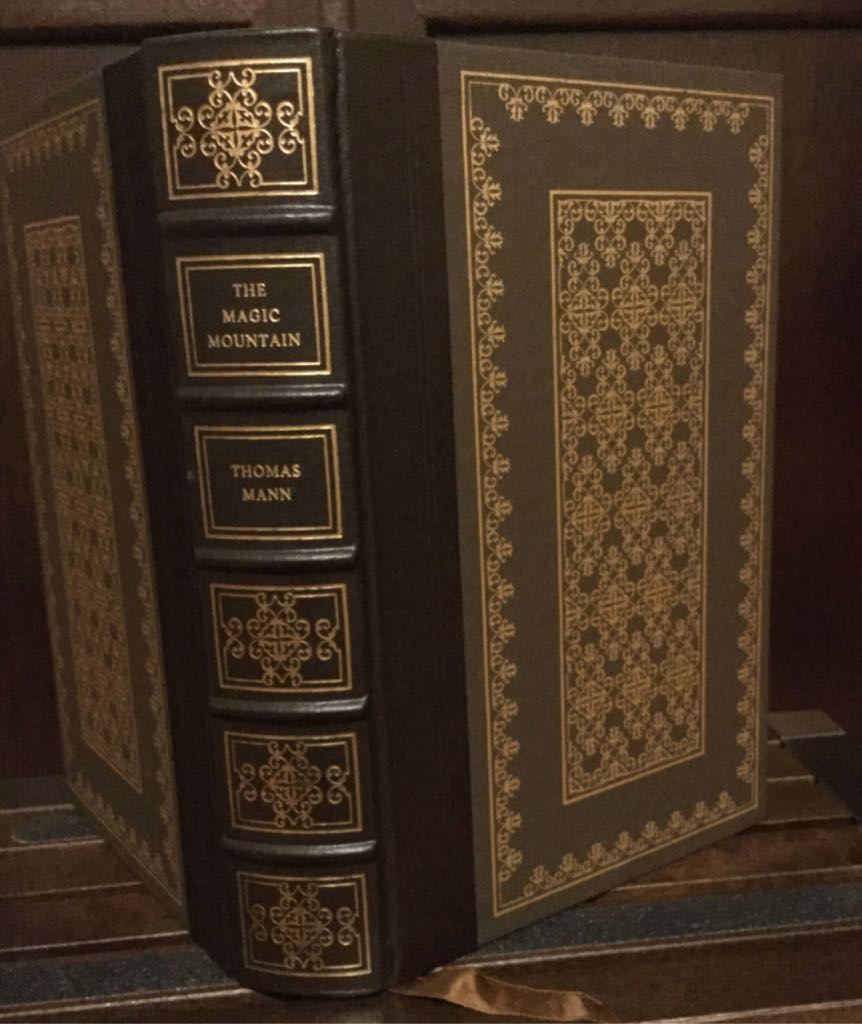
The Magic Mountain
Genre:
Fiction
Literature
Show More
Subgenre:
Classic Literature
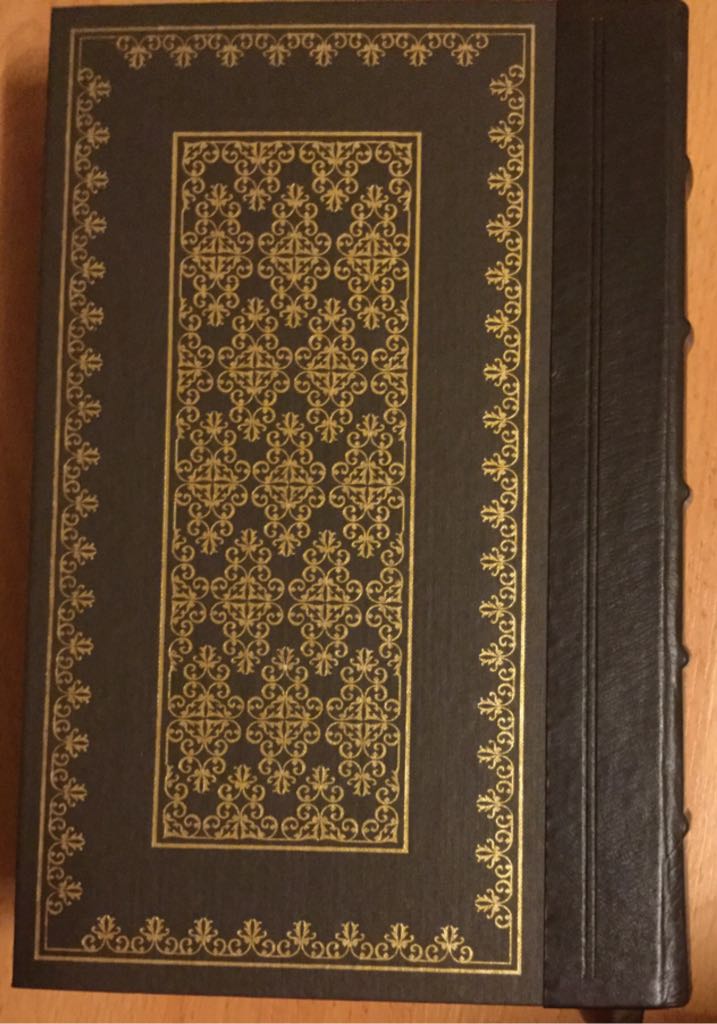
Binding:
Hardcover
Type of Book:
Fiction
Number of Pages:
724
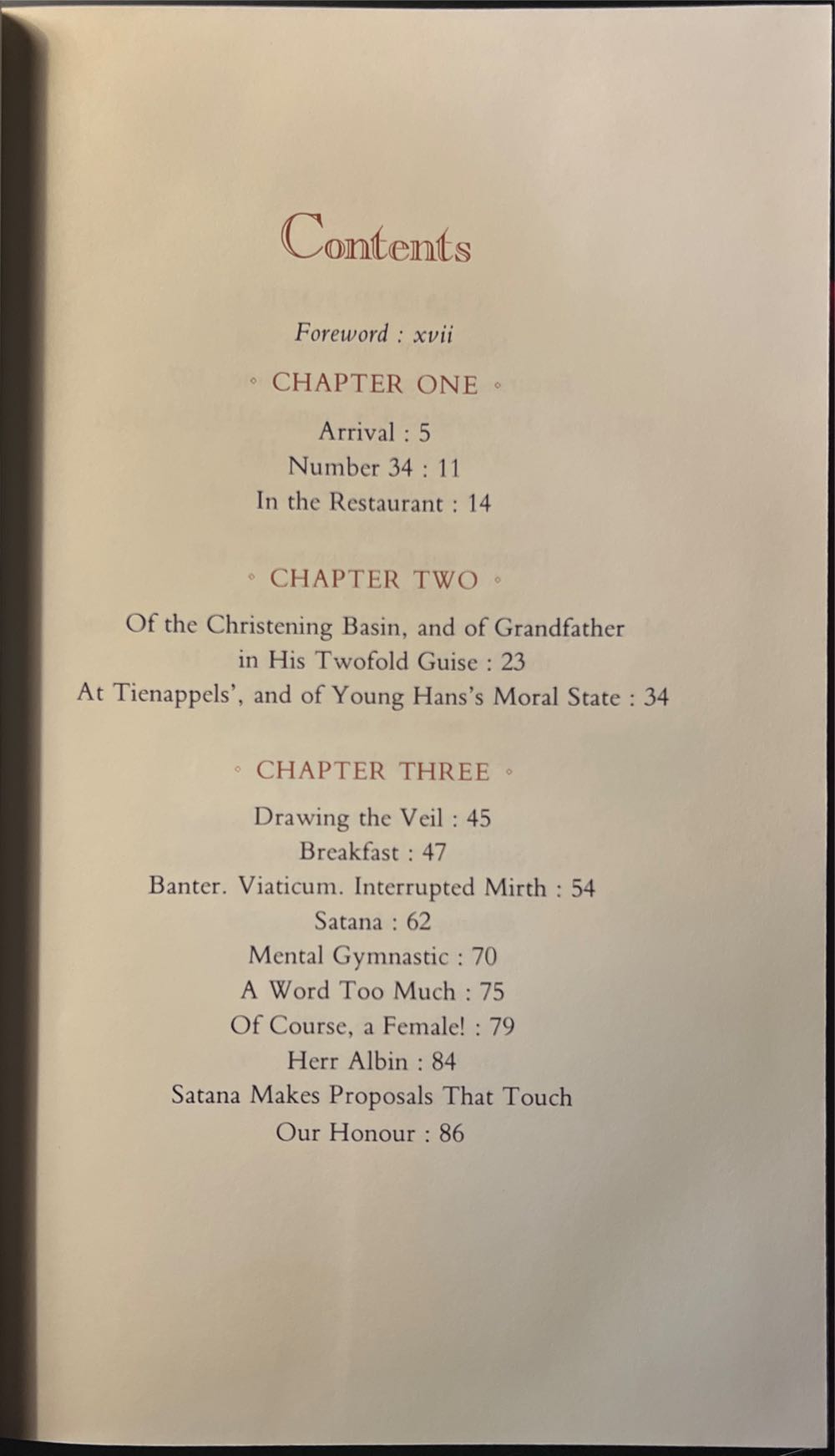
Number of Chapters:
7
Date Added:
2018-06-26 17:55:55
Synopsis:
Here’s a clear, structured summary of The Magic Mountain by Thomas Mann (originally published in German in 1924; English translation first appeared 1927).
⸻
📖 Overview
The Magic Mountain is a modernist novel set in a Swiss tuberculosis sanatorium in Davos before World War I. It is both a bildungsroman (coming-of-age story) and a philosophical novel, using the sanatorium as a microcosm of European society. Mann explores time, illness, love, and the clash of ideas that defined early 20th-century Europe.
⸻
🧑 Main Characters
• Hans Castorp – A young German engineer, the protagonist. Initially healthy, he plans a short visit to the sanatorium but stays for years, caught in its atmosphere.
• Clavdia Chauchat – A sensuous, enigmatic Russian woman with whom Hans becomes infatuated.
• Lodovico Settembrini – An Italian humanist, rationalist, and Enlightenment thinker who mentors Hans.
• Leo Naphta – A Jesuit-educated radical who defends authoritarianism, mysticism, and violent revolution; Settembrini’s ideological foil.
• Peeperkorn – A charismatic Dutch colonial planter, representing the force of life and instinct.
• Joachim Ziemssen – Hans’s cousin, a disciplined soldier who is actually ill and serves as Hans’s initial reason for visiting the sanatorium.
⸻
📜 Plot Summary
Arrival
Hans Castorp visits his cousin Joachim at the Berghof sanatorium for what should be a three-week stay. He finds the atmosphere strangely captivating—meals, rest cures, and the peculiar community of patients. A mild health irregularity convinces the doctors to keep him under observation, and Hans slowly slips into the sanatorium’s timeless rhythm.
Immersion
Time begins to blur. Weeks stretch into months, then years. Hans falls under the spell of Clavdia Chauchat, whose languid beauty fascinates him. Their flirtation culminates during a carnival evening, where she gives him symbolic tokens of affection before she departs.
Intellectual Debate
Hans becomes the intellectual pupil of Settembrini, who extols reason, progress, and humanistic values. Later, Naphta appears—pessimistic, authoritarian, and mystical. The two wage endless debates, dragging Hans into philosophical dilemmas about freedom, progress, violence, and the nature of humanity. Eventually, Naphta challenges Settembrini to a duel and kills himself when Settembrini refuses to fire.
The Force of Life
Another figure, Peeperkorn, enters as Clavdia’s new companion. Though not intellectually articulate, his sheer vitality and presence impress Hans. Peeperkorn embodies passion and instinct in contrast to the sterile intellectualism of Settembrini and Naphta. His eventual suicide underscores the fragility of that life-force.
Transformation
Over seven years, Hans undergoes an inner education—a “spiritual apprenticeship.” He becomes increasingly reflective, confronting love, death, illness, and the passage of time. The sanatorium, both alluring and destructive, represents Europe in decline, retreating into decadence and debate while the world moves toward crisis.
Conclusion
The novel ends as World War I erupts. Hans finally leaves the sanatorium, joining the German army. On the battlefield, amid chaos and destruction, Mann leaves Hans’s fate unresolved—whether he survives or not is unknown. His story becomes that of his generation, swept into the catastrophe of the war.
⸻
🎭 Themes
• Time and Illness – Time stretches and distorts in the sanatorium, mirroring Hans’s psychological transformation.
• Eros and Thanatos – Love and death are intertwined in the patients’ lives.
• The Clash of Ideas – Rational humanism (Settembrini) vs. authoritarian mysticism (Naphta).
• Education and Transformation – The “magic mountain” is less a hospital than a place of initiation into the human condition.
• Europe on the Brink – The novel anticipates the cultural, moral, and political collapse leading to WWI.
⸻
✅ In short: The Magic Mountain is a profound meditation on time, mortality, love, and the ideological conflicts of prewar Europe, experienced through Hans Castorp’s strange, years-long stay in a sanatorium.
⸻
📖 Overview
The Magic Mountain is a modernist novel set in a Swiss tuberculosis sanatorium in Davos before World War I. It is both a bildungsroman (coming-of-age story) and a philosophical novel, using the sanatorium as a microcosm of European society. Mann explores time, illness, love, and the clash of ideas that defined early 20th-century Europe.
⸻
🧑 Main Characters
• Hans Castorp – A young German engineer, the protagonist. Initially healthy, he plans a short visit to the sanatorium but stays for years, caught in its atmosphere.
• Clavdia Chauchat – A sensuous, enigmatic Russian woman with whom Hans becomes infatuated.
• Lodovico Settembrini – An Italian humanist, rationalist, and Enlightenment thinker who mentors Hans.
• Leo Naphta – A Jesuit-educated radical who defends authoritarianism, mysticism, and violent revolution; Settembrini’s ideological foil.
• Peeperkorn – A charismatic Dutch colonial planter, representing the force of life and instinct.
• Joachim Ziemssen – Hans’s cousin, a disciplined soldier who is actually ill and serves as Hans’s initial reason for visiting the sanatorium.
⸻
📜 Plot Summary
Arrival
Hans Castorp visits his cousin Joachim at the Berghof sanatorium for what should be a three-week stay. He finds the atmosphere strangely captivating—meals, rest cures, and the peculiar community of patients. A mild health irregularity convinces the doctors to keep him under observation, and Hans slowly slips into the sanatorium’s timeless rhythm.
Immersion
Time begins to blur. Weeks stretch into months, then years. Hans falls under the spell of Clavdia Chauchat, whose languid beauty fascinates him. Their flirtation culminates during a carnival evening, where she gives him symbolic tokens of affection before she departs.
Intellectual Debate
Hans becomes the intellectual pupil of Settembrini, who extols reason, progress, and humanistic values. Later, Naphta appears—pessimistic, authoritarian, and mystical. The two wage endless debates, dragging Hans into philosophical dilemmas about freedom, progress, violence, and the nature of humanity. Eventually, Naphta challenges Settembrini to a duel and kills himself when Settembrini refuses to fire.
The Force of Life
Another figure, Peeperkorn, enters as Clavdia’s new companion. Though not intellectually articulate, his sheer vitality and presence impress Hans. Peeperkorn embodies passion and instinct in contrast to the sterile intellectualism of Settembrini and Naphta. His eventual suicide underscores the fragility of that life-force.
Transformation
Over seven years, Hans undergoes an inner education—a “spiritual apprenticeship.” He becomes increasingly reflective, confronting love, death, illness, and the passage of time. The sanatorium, both alluring and destructive, represents Europe in decline, retreating into decadence and debate while the world moves toward crisis.
Conclusion
The novel ends as World War I erupts. Hans finally leaves the sanatorium, joining the German army. On the battlefield, amid chaos and destruction, Mann leaves Hans’s fate unresolved—whether he survives or not is unknown. His story becomes that of his generation, swept into the catastrophe of the war.
⸻
🎭 Themes
• Time and Illness – Time stretches and distorts in the sanatorium, mirroring Hans’s psychological transformation.
• Eros and Thanatos – Love and death are intertwined in the patients’ lives.
• The Clash of Ideas – Rational humanism (Settembrini) vs. authoritarian mysticism (Naphta).
• Education and Transformation – The “magic mountain” is less a hospital than a place of initiation into the human condition.
• Europe on the Brink – The novel anticipates the cultural, moral, and political collapse leading to WWI.
⸻
✅ In short: The Magic Mountain is a profound meditation on time, mortality, love, and the ideological conflicts of prewar Europe, experienced through Hans Castorp’s strange, years-long stay in a sanatorium.
Author:
Thomas Mann
Show More
Publisher:
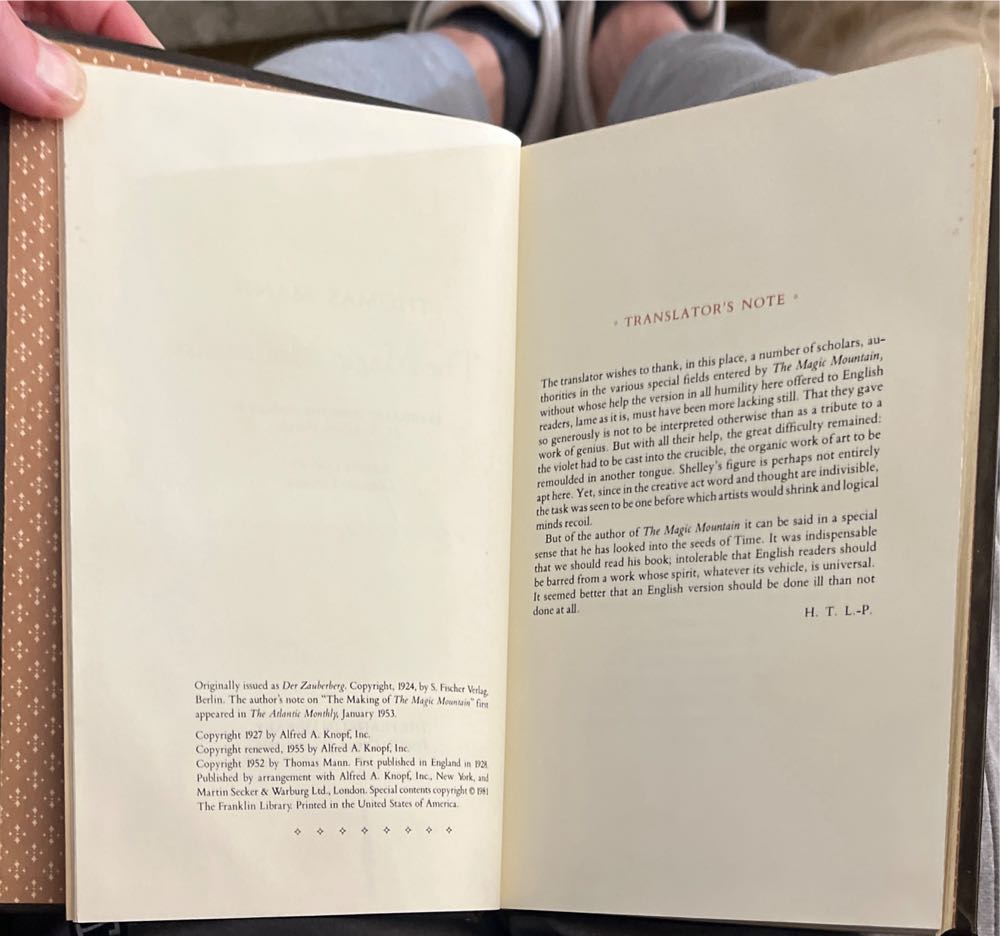
The Franklin Library
Country:
United States
Place of Printing:
Franklin Center, Pennsylvania
Publication Year:
1981
Copyright Year:
1981
Number of Copies:
1
Illustrator:
Gonzalo Fonseca
Show More
Translator:
H.T. Lowe-Porter
Show More
Language:
English
Publisher Location:
Franklin Center, Pennsylvania
Automatic Estimated Value:
~$20.00
Automatic Estimated Date:
2025-08-25
Date Added:
2018-06-26 17:55:55