

Title:
Roadwork
Description:
The Diary of Alicia Keys is Alicia Keys choosing depth over spectacle, and mostly pulling it off.
Released in 2003, it arrives after a debut that made her famous and before the industry decided what it wanted her to be. Instead of chasing scale or novelty, she doubles down on feel, musicianship, and emotional continuity. This is not a singles machine. It is a mood piece with pop instincts.
Where it shines
The record feels lived in.
Keys leans hard into soul, jazz phrasing, and classic R&B structure. Piano is not decoration here. It is the spine. Songs unfold patiently, trusting the listener to stay put. That confidence is refreshing, especially given how easily she could have gone bigger and louder.
“If I Ain’t Got You” earns its status.
It is simple, direct, and emotionally grounded. No vocal gymnastics for their own sake. Just clarity. The reason it has endured is that it sounds honest rather than aspirational.
“Diary” is the thesis statement.
Intimate, conversational, and warm. The spoken-word framing could have been cloying. Instead, it feels like a quiet confession you were not meant to overhear.
Her voice is in its sweet spot.
She sings with control and restraint, letting grit surface naturally rather than forcing drama. The phrasing is confident but never flashy. You hear influence, but not imitation.
Where it falters
The album is long, and it knows it.
At nearly an hour, the pacing suffers. There are stretches where the songs blur into each other, not because they are weak, but because the emotional temperature barely shifts. A little tension would have gone a long way.
Some tracks feel underwritten.
A few ideas are carried by atmosphere rather than fully developed melodies. They support the diary concept, but they do not always reward repeat listens.
The production occasionally plays it too safe.
Everything sounds good. Very little sounds risky. For an artist with Keys’ chops, you sometimes wish she would push harder against her own elegance.
Context matters
This is Alicia Keys consolidating rather than expanding.
It does not reinvent her sound. It refines it. In that sense, the album is more about credibility than ambition. She is staking a claim as a serious musician, not just a breakout star with a piano.
That choice pays off long-term, even if it makes the record less explosive in the moment.
Final take
The Diary of Alicia Keys is a confident, inward-looking album that values sincerity over spectacle.
It is not her boldest record.
It may be her most grounded.
If you want hooks and highs, her debut delivers more punch. If you want to understand who Alicia Keys thought she was becoming in real time, this album lays it out quietly and without fuss.
Sometimes maturity is not louder.
It is steadier.
Released in 2003, it arrives after a debut that made her famous and before the industry decided what it wanted her to be. Instead of chasing scale or novelty, she doubles down on feel, musicianship, and emotional continuity. This is not a singles machine. It is a mood piece with pop instincts.
Where it shines
The record feels lived in.
Keys leans hard into soul, jazz phrasing, and classic R&B structure. Piano is not decoration here. It is the spine. Songs unfold patiently, trusting the listener to stay put. That confidence is refreshing, especially given how easily she could have gone bigger and louder.
“If I Ain’t Got You” earns its status.
It is simple, direct, and emotionally grounded. No vocal gymnastics for their own sake. Just clarity. The reason it has endured is that it sounds honest rather than aspirational.
“Diary” is the thesis statement.
Intimate, conversational, and warm. The spoken-word framing could have been cloying. Instead, it feels like a quiet confession you were not meant to overhear.
Her voice is in its sweet spot.
She sings with control and restraint, letting grit surface naturally rather than forcing drama. The phrasing is confident but never flashy. You hear influence, but not imitation.
Where it falters
The album is long, and it knows it.
At nearly an hour, the pacing suffers. There are stretches where the songs blur into each other, not because they are weak, but because the emotional temperature barely shifts. A little tension would have gone a long way.
Some tracks feel underwritten.
A few ideas are carried by atmosphere rather than fully developed melodies. They support the diary concept, but they do not always reward repeat listens.
The production occasionally plays it too safe.
Everything sounds good. Very little sounds risky. For an artist with Keys’ chops, you sometimes wish she would push harder against her own elegance.
Context matters
This is Alicia Keys consolidating rather than expanding.
It does not reinvent her sound. It refines it. In that sense, the album is more about credibility than ambition. She is staking a claim as a serious musician, not just a breakout star with a piano.
That choice pays off long-term, even if it makes the record less explosive in the moment.
Final take
The Diary of Alicia Keys is a confident, inward-looking album that values sincerity over spectacle.
It is not her boldest record.
It may be her most grounded.
If you want hooks and highs, her debut delivers more punch. If you want to understand who Alicia Keys thought she was becoming in real time, this album lays it out quietly and without fuss.
Sometimes maturity is not louder.
It is steadier.
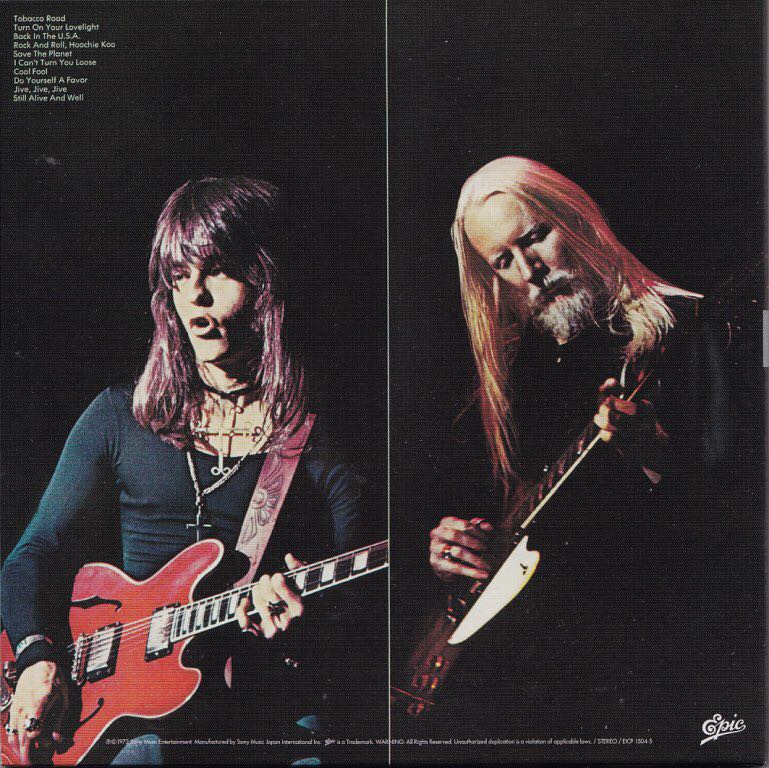
Band or Artist:
Winter, Edgar
Release Year:
1972
Length:
66
Country:
United States
Format:
12”
Speed:
33 1/3 rpm
Genre:
Rock
Show More
Catalog Number:
KEG 31249
Producer:
Rick Derringer
Show More
Record Label:
Epic
Show More
Recording Location:
The Apollo, Academy of Music (NYC) and Whiskey A Go Go
Number of Tracks:
10
Album Type:
Album
Quality:
N/A
Number of Discs:
2
Date Added:
2018-06-28 17:10:27
Packaging:
Cardboard Sleeve
Automatic Estimated Date:
2026-01-18
Date Added:
2018-06-28 17:10:27